Natural pest control: protecting plants without chemicals
Slugs, aphids and caterpillars can be managed without harsh sprays. Here are methods that work.
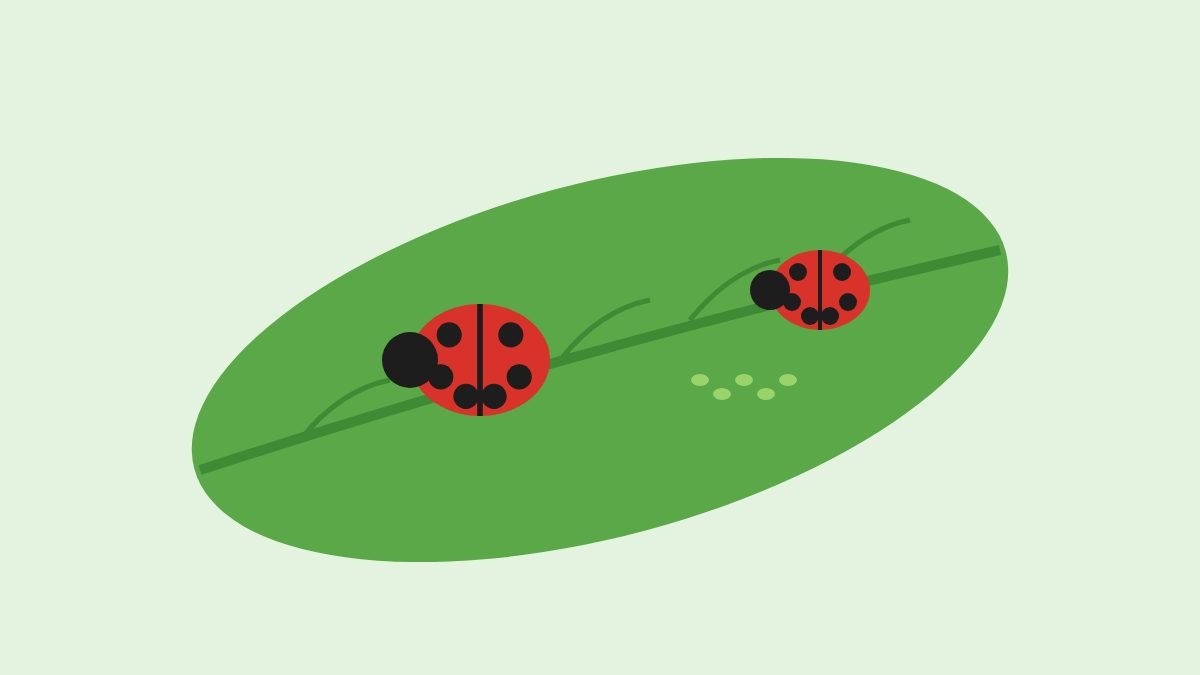
A healthy garden always has some pests, and that's a good thing: they feed the birds, frogs and insects that keep them in check. The aim is balance, not elimination.
Encourage natural predators
- Birds: put up feeders and nest boxes.
- Ladybirds and hoverflies: both eat aphids. Grow flowers like calendula and yarrow to attract them.
- Frogs and hedgehogs: eat slugs. A small pond and gaps under fences help.
Slugs and snails
Go out with a torch on damp evenings and pick them off. Protect young plants with cloches or copper tape, and water in the morning rather than the evening. Wildlife-friendly ferric phosphate pellets are an option for heavy infestations.
Aphids
Squash small colonies with your fingers or blast them off with a jet of water. Most aphid outbreaks are cleared by predators within a few weeks if you don't spray.
Caterpillars on cabbages
Cover brassicas with fine insect mesh from planting time. It's the most reliable way to keep cabbage white butterflies off.
Healthy plants resist pests
Stressed plants get attacked more. Water consistently, avoid over-feeding with nitrogen (it produces soft, sappy growth that aphids love), and grow varieties suited to your conditions.