Raised garden beds: how to build, fill and plant them
Raised beds warm up faster, drain better and save your back. Here's how to set one up properly.
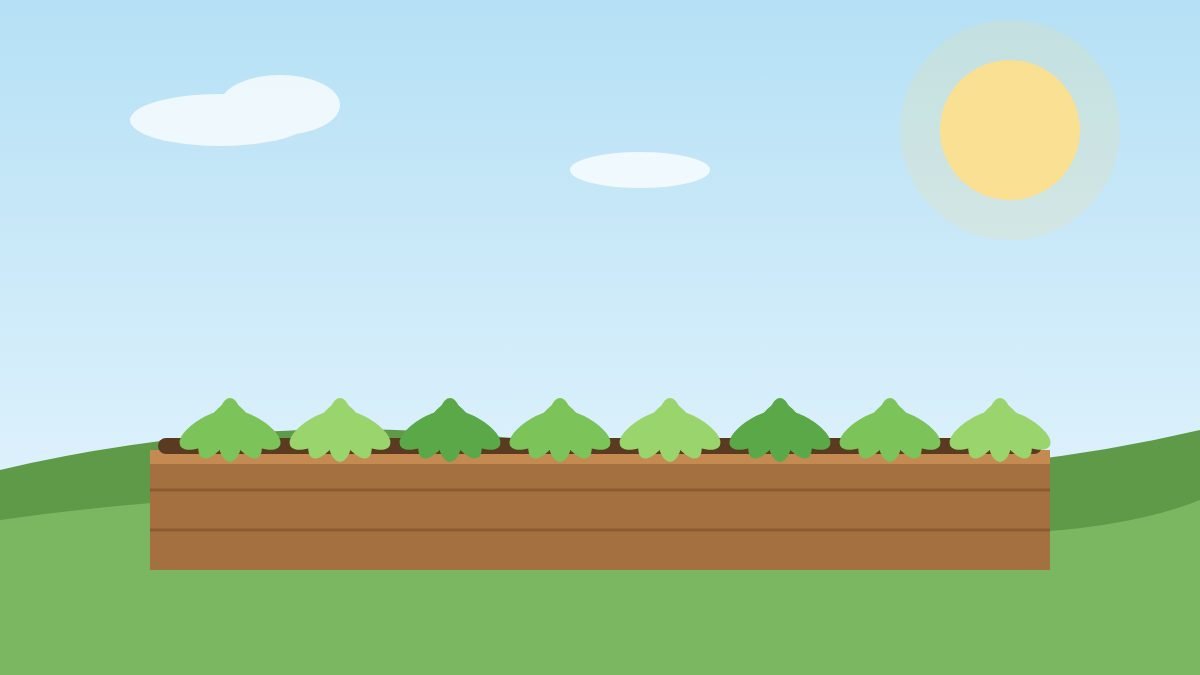
Raised beds are the single most useful upgrade for most vegetable gardens. They let you control the soil, they drain well, and you never walk on (and compact) the growing area.
Size and placement
Keep beds no wider than 1.2 m so you can reach the middle from either side. A height of 30 to 45 cm is plenty for most vegetables; go higher if bending is difficult. Place the bed where it gets at least 6 hours of sun and is close to a water source.
Materials
Untreated larch, cedar or Douglas fir last for years. Galvanised steel beds are long-lasting and heat up quickly in spring. Avoid old railway sleepers, which can contain creosote.
How to fill a raised bed
Filling a tall bed with bought soil gets expensive. A cheaper layered approach works well:
- Bottom: cardboard to smother grass and weeds.
- Lower third: woody prunings, small logs and leaves (this rots down slowly).
- Top 20 to 30 cm: a mix of roughly 60% topsoil and 40% compost.
Expect the level to sink a few centimetres in the first year. Top up with compost each spring.
What to plant first
Salad leaves, radishes, spinach, dwarf beans and courgettes all thrive in a new bed. Plant in blocks rather than long rows; you'll fit more in and shade out weeds.
Keeping it productive
Add 3 to 5 cm of compost every year, rotate crop families between beds, and cover bare soil over winter with mulch or a green manure.