How to improve heavy clay soil
Clay soil is sticky in winter and rock-hard in summer, but it's also rich in nutrients. Here's how to make it work for you.
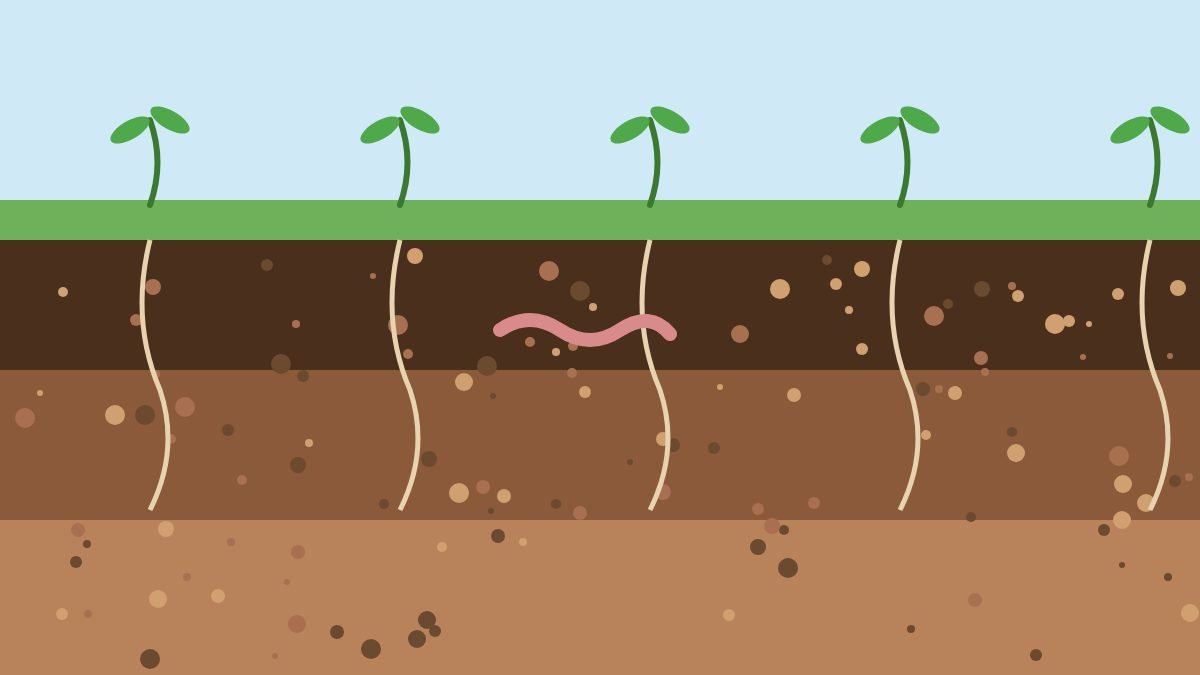
Clay soil gets a bad reputation, but it holds water and nutrients far better than sandy soil. The aim is to improve its structure so roots, air and water can move through it.
Add organic matter, every year
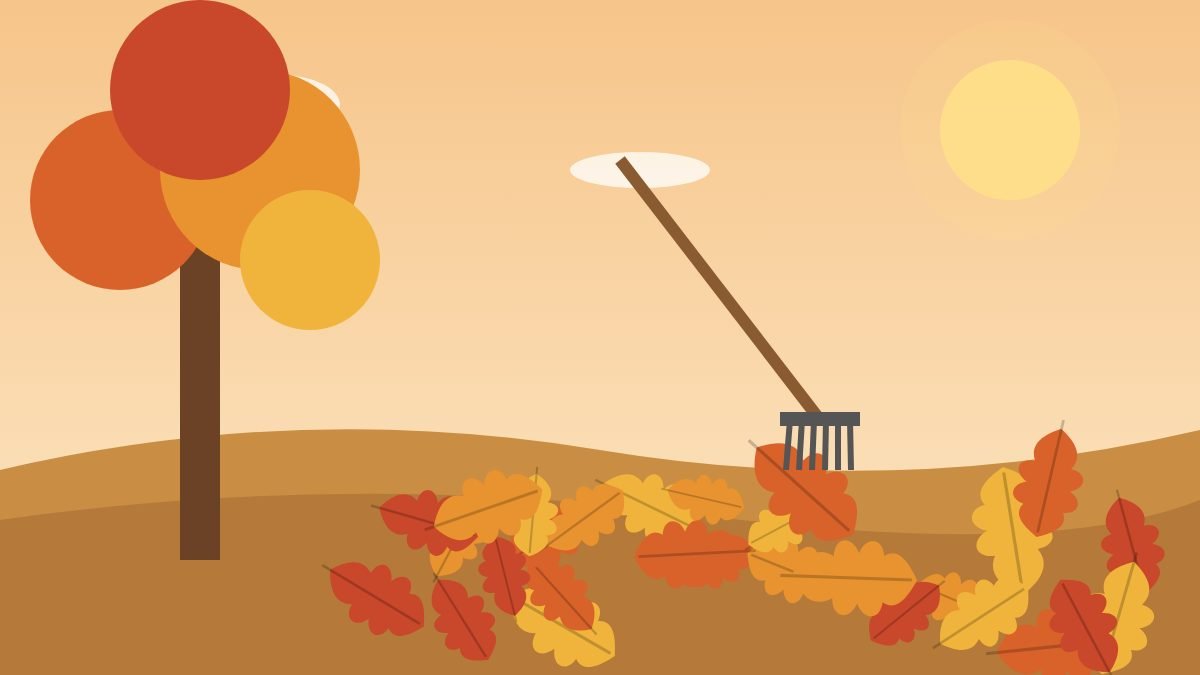
The single best treatment for clay is lots of organic matter: garden compost, well-rotted manure, leaf mould or composted bark. Spread a 5 to 8 cm layer on the surface each autumn and let worms pull it down.
Stop digging and walking on it
Digging and treading on wet clay squashes out air and makes it worse. Use paths and stepping stones, and consider no-dig gardening.
Grit helps in small areas
For planting holes or herb beds, mixing in horticultural grit improves drainage. On a large scale it isn't practical; organic matter does more.
Plant what loves clay
Many plants thrive in clay: roses, hostas, hydrangeas, asters, rudbeckia, most fruit trees, and brassicas like cabbage and kale.
Be patient
Clay improves a little every year. After 3 to 5 years of regular mulching, most gardeners find it has become dark, crumbly and easy to work.