How to start composting at home
Turn kitchen scraps and garden waste into free, rich compost. A simple guide for complete beginners.
Compost is the best thing you can add to your garden, and you can make it for free from waste you'd otherwise throw away.
Choose a bin
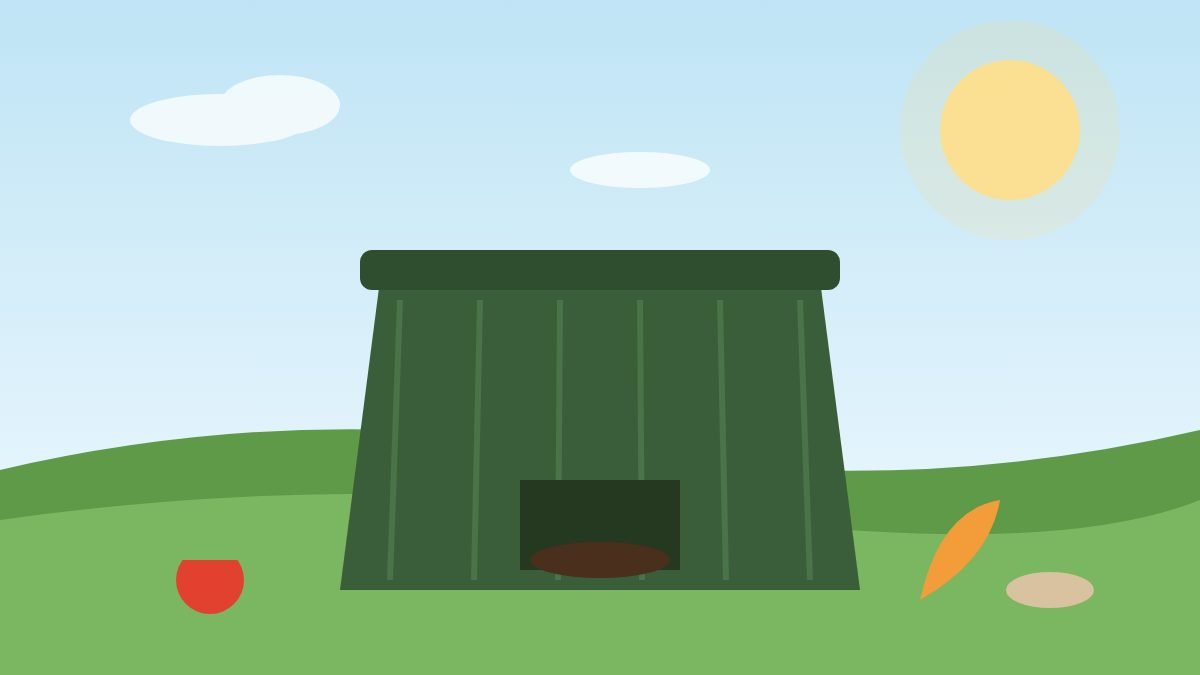
A simple plastic compost bin works well in small gardens. If you have more space, a wooden bay system lets you turn the heap easily. Place it on bare soil so worms can get in.
Greens and browns
Good compost needs a balance of two types of material:
- Greens (nitrogen): vegetable peelings, fruit scraps, coffee grounds, tea leaves, grass clippings, fresh plant trimmings.
- Browns (carbon): cardboard, paper, egg boxes, dry leaves, straw, woody prunings.
Aim for roughly equal volumes. Too many greens makes a slimy, smelly heap; too many browns and it barely rots.
What not to compost
Meat, fish, dairy, cooked food, pet waste and diseased plants. These can attract pests or spread problems.
Keep it working
- Chop materials small so they break down faster.
- Keep the heap moist like a wrung-out sponge.
- Turn or mix it every few weeks to add air.
When is it ready?
Finished compost is dark, crumbly and smells like a forest floor. This takes anywhere from 6 months to a year. Use it as a mulch, dig it into beds or mix it into potting compost.