Mulching: the easiest way to a healthier garden
A layer of mulch saves water, smothers weeds and feeds your soil. Here's what to use and when.
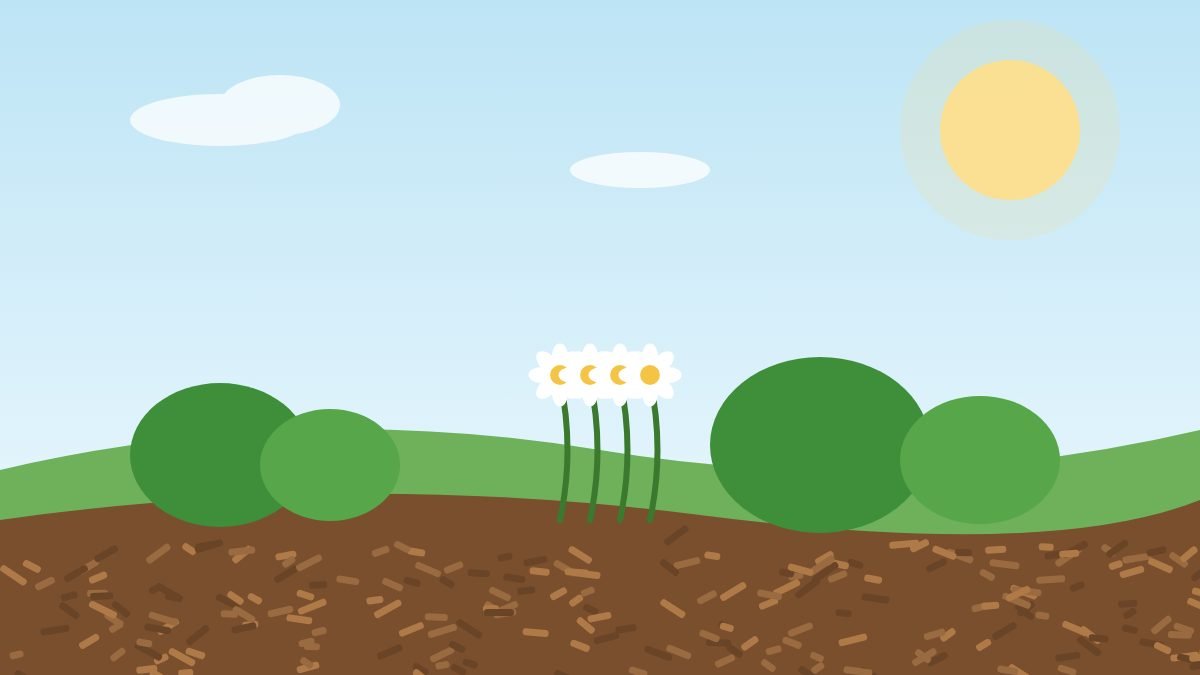
Mulch is any material spread over the surface of the soil. It's one of the most effective and least effort jobs in gardening.
What mulch does
- Keeps moisture in the soil, so you water less
- Suppresses weeds by blocking light
- Protects roots from heat and cold
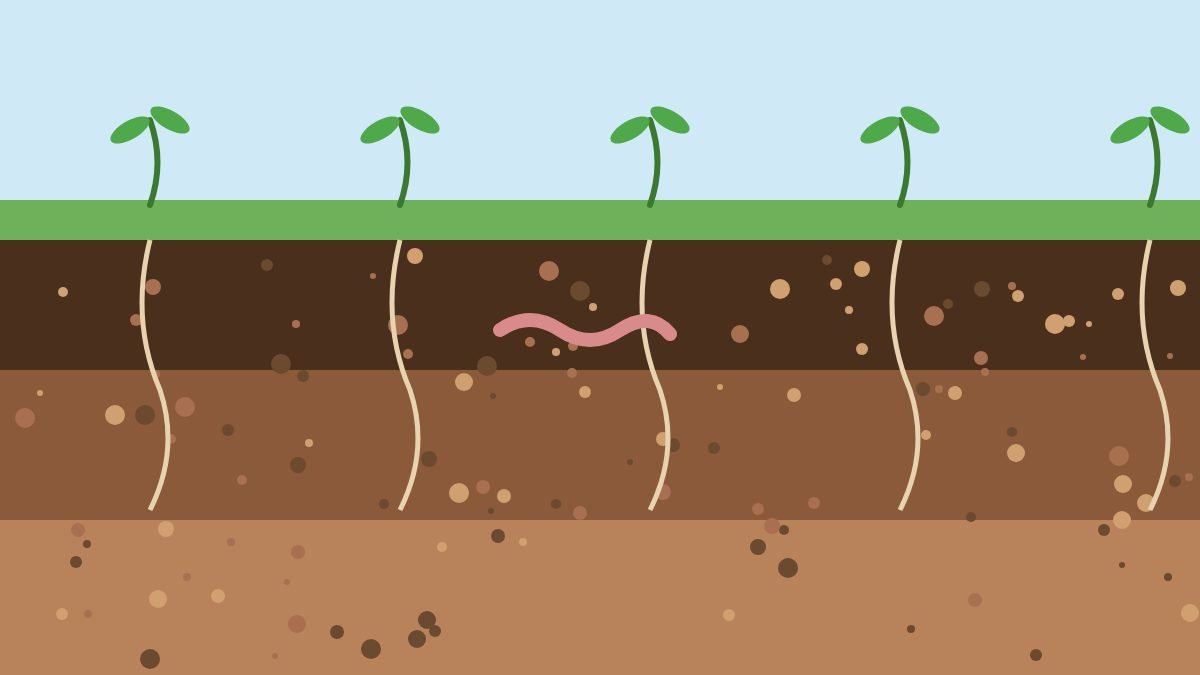
- Feeds the soil as it breaks down
Types of mulch
- Garden compost: feeds the soil; ideal for vegetables and borders.
- Well-rotted manure: rich, great for roses and hungry crops.
- Bark chips: long-lasting, good for shrubs and paths.
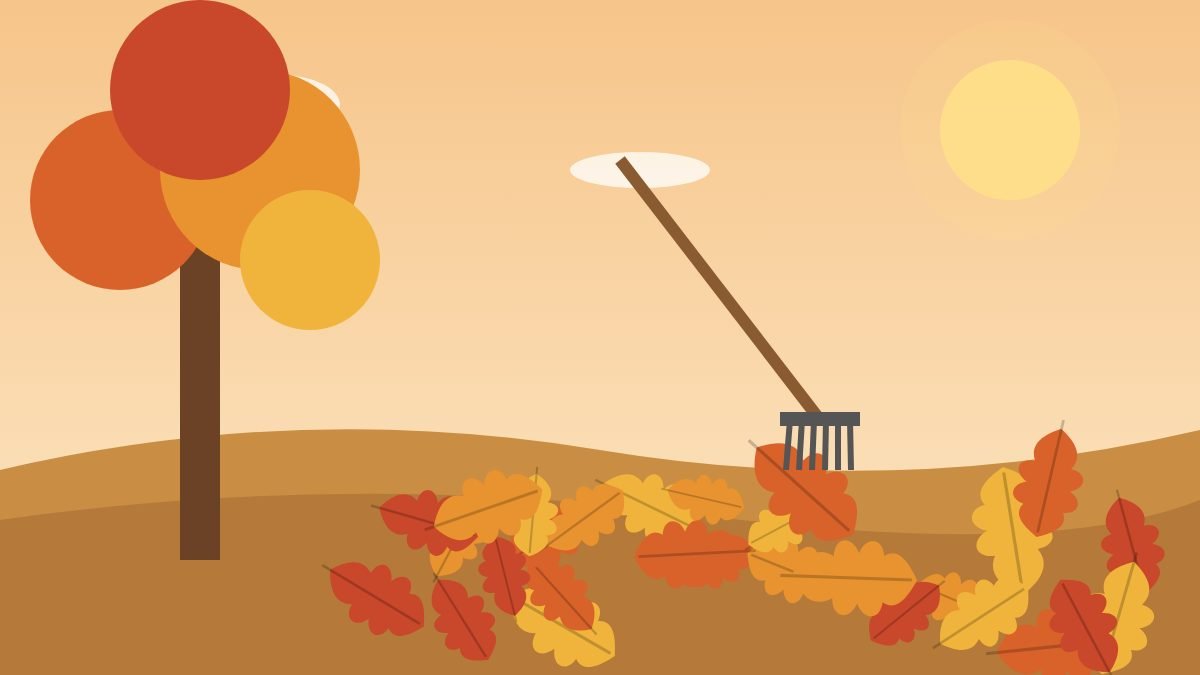
- Leaf mould: free if you collect autumn leaves.
- Gravel: ideal for Mediterranean plants and alpines.
When to mulch
Late winter or early spring, when the soil is moist, and again in autumn. Never mulch frozen or bone-dry soil; it locks in the wrong conditions.
How to apply
Spread a layer 5 to 8 cm deep. Keep it a few centimetres away from tree trunks and plant stems to prevent rot.